
Third Wave Coffee: The Evolution of Coffee Culture and Quality

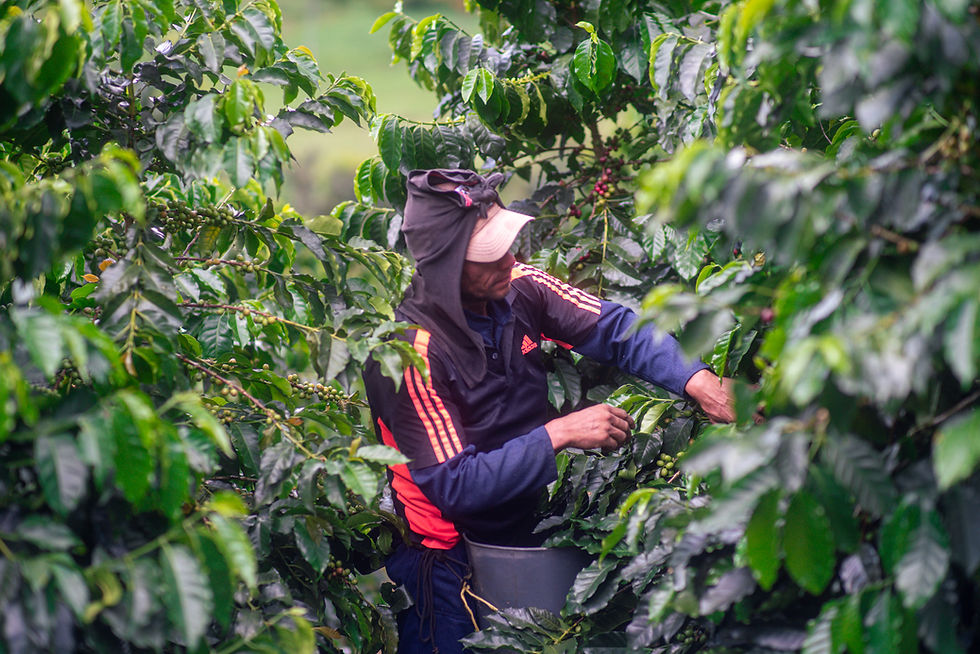
Coffee has always been more than a drink. It’s a ritual, comfort, and inspiration. The third wave coffee movement takes that connection deeper. It treats coffee as a craft rather than a commodity, celebrating high-quality beans, careful roasting, and precise brewing. At its heart, third-wave coffee is about respect for the farmer, the land, and the person holding the cup.
Unlike mass-market coffee that prioritizes speed and uniformity, third-wave coffee highlights individuality. Single-origin beans, lighter roasts, and transparent sourcing define the movement. Many modern cafés embrace these principles to ensure every sip tells a story. Coffee becomes more than a habit, it becomes an experience worth slowing down for.
Key Takeaways
Quality and flavor matter at every stage, from farm to cup.
Sustainability and fairness are essential, not optional.
Brewing is treated as a craft, turning coffee into an experience.
Feature | Detail |
Bean Origin | Single-origin, traceable farms |
Roasting | Lighter roasts to preserve flavors |
Sourcing | |
Brewing Techniques | Manual, precise methods (e.g., pour-over) |
Origins of Third Wave Coffee
The rise of third-wave coffee marked a turning point in how we think about coffee. Earlier movements had made coffee accessible (first wave) and social (second wave), but the third wave introduced something entirely new: transparency, craftsmanship, and deep respect for origin.
Historical Context
The first wave brought us instant coffee and supermarket brands. Affordable, widely available, and consistent. The second wave introduced espresso drinks, café culture, and chains like Starbucks that made coffee a social destination.
The third wave shifted the conversation again. Instead of chasing uniformity, it celebrated diversity. Coffee became about the farmer, the terroir, and the roast profile. Consumers learned to expect menus listing farm names, processing methods, and tasting notes.
Pioneers and Influencers
Independent roasters and cafés were the catalysts. They built direct relationships with farmers, paid fairly, and showcased beans as unique rather than interchangeable. Early leaders like Stumptown and Intelligentsia helped prove that coffee could be both ethical and profitable. Organizations such as the Specialty Coffee Association created standards that pushed quality even higher.
What Defines Third Wave Coffee?
The movement can be summed up by three pillars:
Origin matters: Single-origin beans from traceable farms are prized for their individuality.
Roasting respects the bean: Lighter profiles highlight natural sweetness, acidity, and nuance.
Ethics come first: Direct trade and sustainable practices ensure fairness and transparency.
At Tracer Coffee, these principles guide how we source, roast, and share our coffee.
The Craft of Roasting
Roasting is where science meets art. Instead of masking imperfections with heavy roasts, third-wave roasters use restraint to reveal a bean’s natural character.
Light roasting preserves floral, fruity, and herbal notes. The result is a bright, clean cup.
Regional expression shines through: Ethiopian coffees often sparkle with citrus and jasmine, while Colombian beans lean toward caramel and nuttiness.
Small batches allow for precision and consistency, bringing out the best in every harvest.
This careful approach turns roasting into storytelling—each cup reflects the land and people behind it.
Brewing Methods and the Ritual of Coffee

The brewing stage is where craftsmanship becomes visible. Every variable: grind size, water temperature, brew time, can change the outcome.
Popular manual brewing methods include:
Pour-over: clean, delicate, and precise.
French press: bold, full-bodied, and textured.
Aeropress: versatile, quick, and surprisingly complex.
Espresso has also been reimagined in the third wave. Single-origin beans, lighter roasts, and techniques like pre-infusion create shots with clarity and depth. Whether brewed in a café or at home with simple tools, the goal is the same: honor the bean’s individuality.
Influence on Coffee Culture
The third wave changed more than taste—it reshaped culture. Specialty cafés emerged as gathering places where people could learn, taste, and share. Menus became educational tools, listing origins and flavor notes. Baristas became storytellers as much as brewers, guiding customers through the journey of each cup.
Workshops, cuppings, and community events turned casual coffee drinkers into thoughtful enthusiasts. This education deepened appreciation and created demand for higher standards across the industry.
Sustainability and Responsibility
Perhaps the greatest legacy of third-wave coffee is its push toward responsibility.
Environmental care: Shade-grown and organic farming protect ecosystems, while eco-friendly packaging and efficient roasting reduce waste and emissions.
Fair partnerships: Direct trade ensures farmers are paid fairly and communities benefit. Many roasters go beyond certifications to build real, lasting relationships.
At Tracer Coffee, we see sustainability not as a trend but as a responsibility. From farm to roastery, we work to ensure every decision supports both people and the planet.
The Future of Third Wave Coffee
The movement continues to evolve. Technology is refining precision with smart brewers, connected grinders, and digital roasting profiles. Blockchain and apps make traceability easier, while automation supports consistency without losing the artisanal touch.
Consumers are also more informed than ever. Today’s coffee drinker wants more than caffeine, they want a story, a connection, and a purpose in their cup. This growing awareness ensures that transparency, ethics, and craft will shape coffee’s future as much as taste.
Final Thoughts
Third wave coffee isn’t a trend. It’s a cultural shift. It reminds us to pause, savor, and consider the story in every cup. For us at Tracer Coffee, it’s about honoring the bean, the farmer, and the drinker. When you sip a pour-over, enjoy a carefully crafted espresso, or brew at home with intention, you’re participating in something bigger: a movement that connects people across continents through one of life’s simplest pleasures.


This was a great article very informative, and I love how tracer coffee follows this practice, very important in today’s modern world to know where things come from and how they affect the environment and the individual farmers as well, so proud of you for doing the right thing, and your coffee is amazing!